




Skin care
Gentle exfoliation at home
Peeling pads
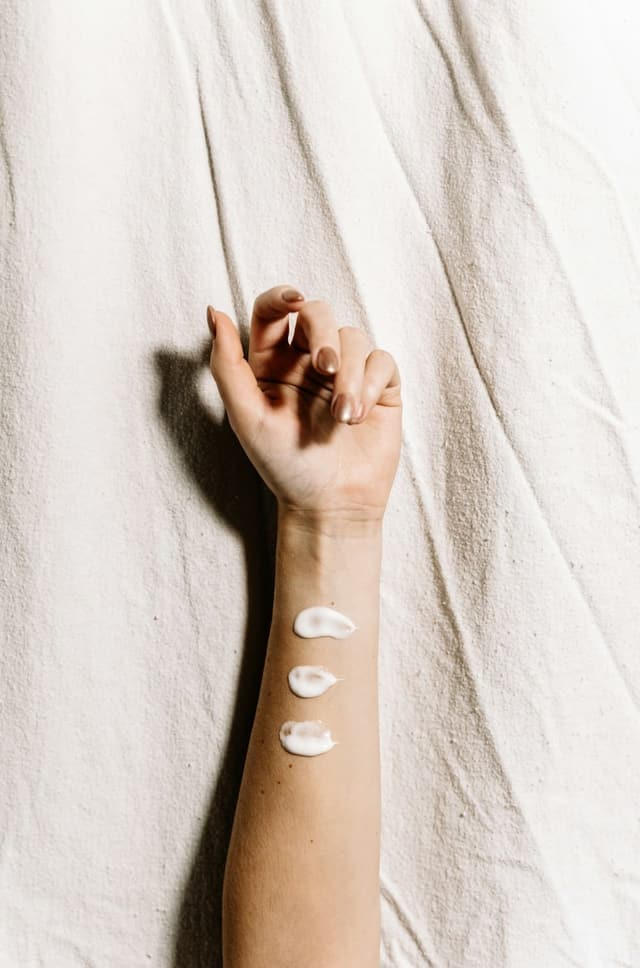
Exfoliating pads for smoother-feeling skin at home, in three types: Original, Sensitive and Peeling.
- Types
- OriginalSensitivePeeling

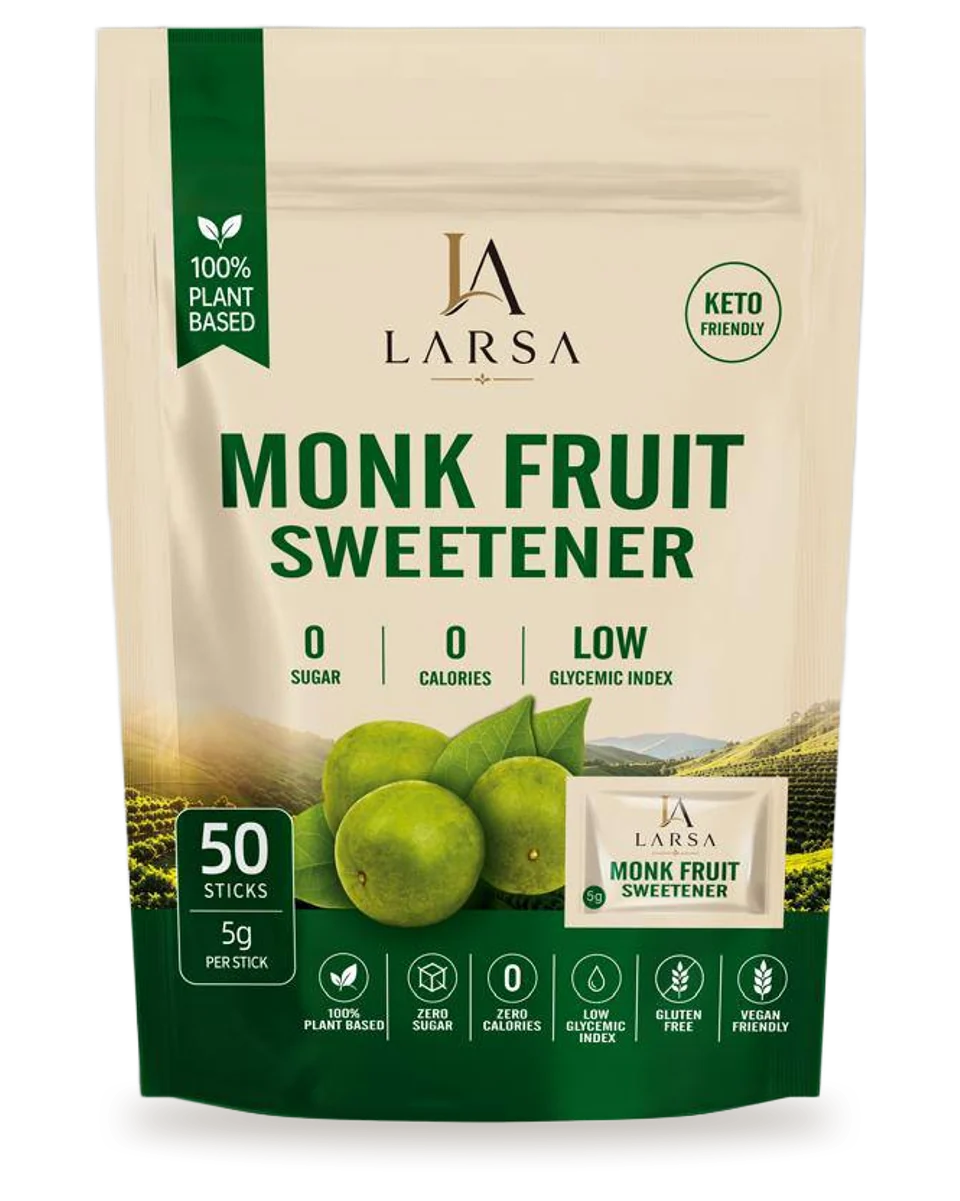
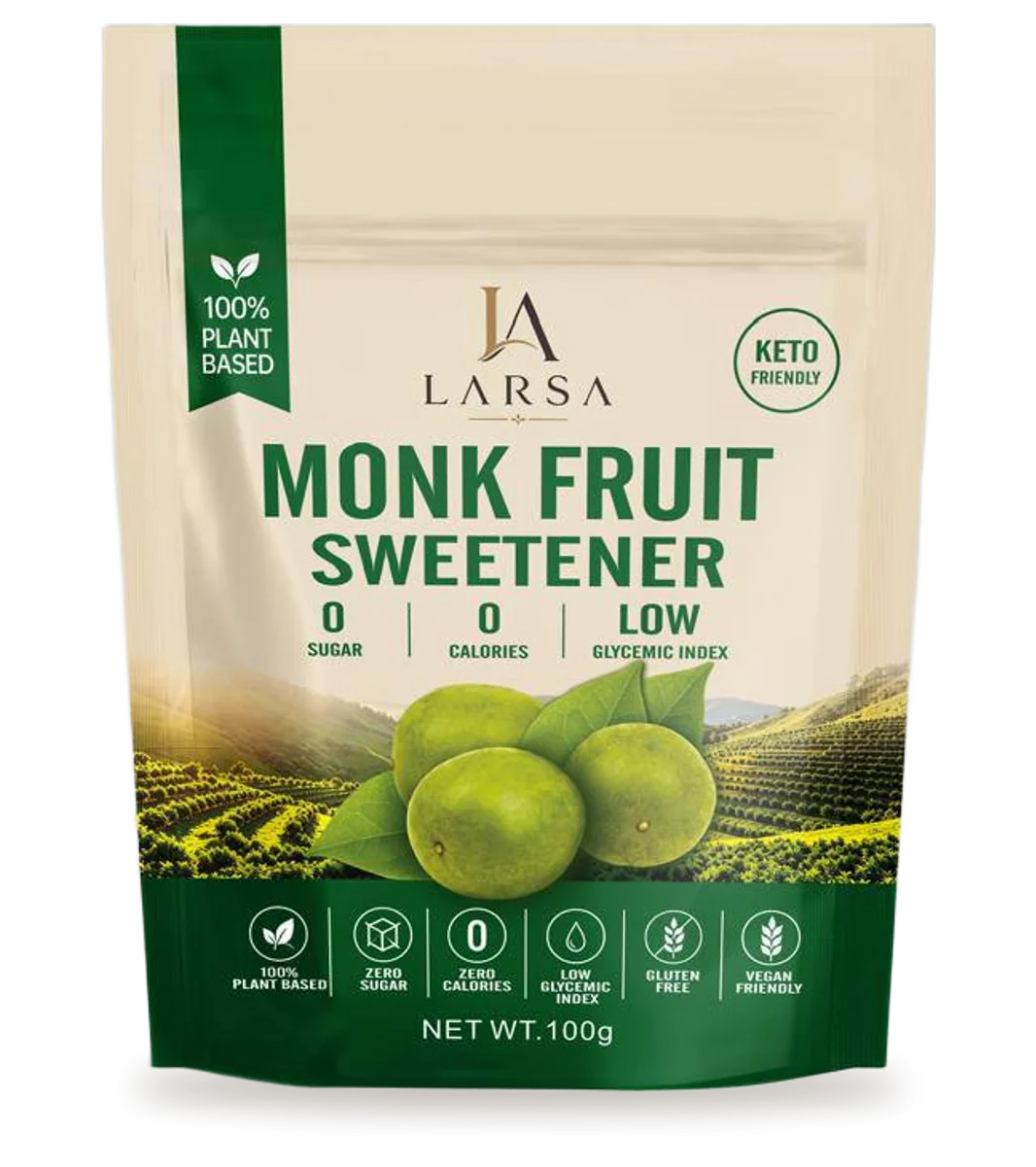
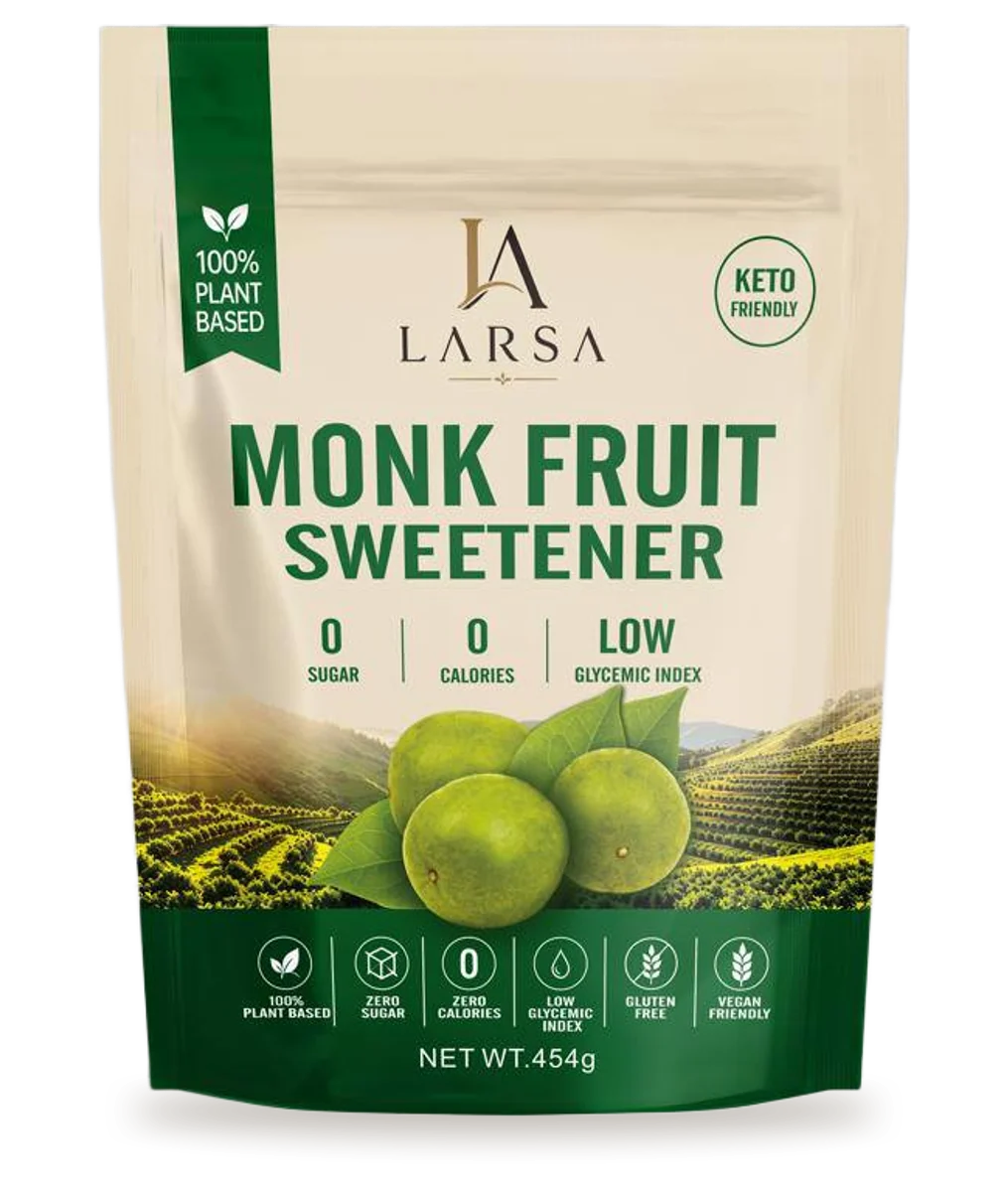
A plant-based alternative to sugar, made with monk fruit extract and erythritol, for your coffee, your tea and your baking.


Monk fruit (luo han guo) is a small round fruit native to southern China. Its sweet compounds are drawn out with water and purified to make monk fruit extract.
The natural compounds that give monk fruit its sweetness. Depending on its mogroside content, monk fruit extract is reported to be 100 to 250 times sweeter than sugar, so only a little of it is needed.
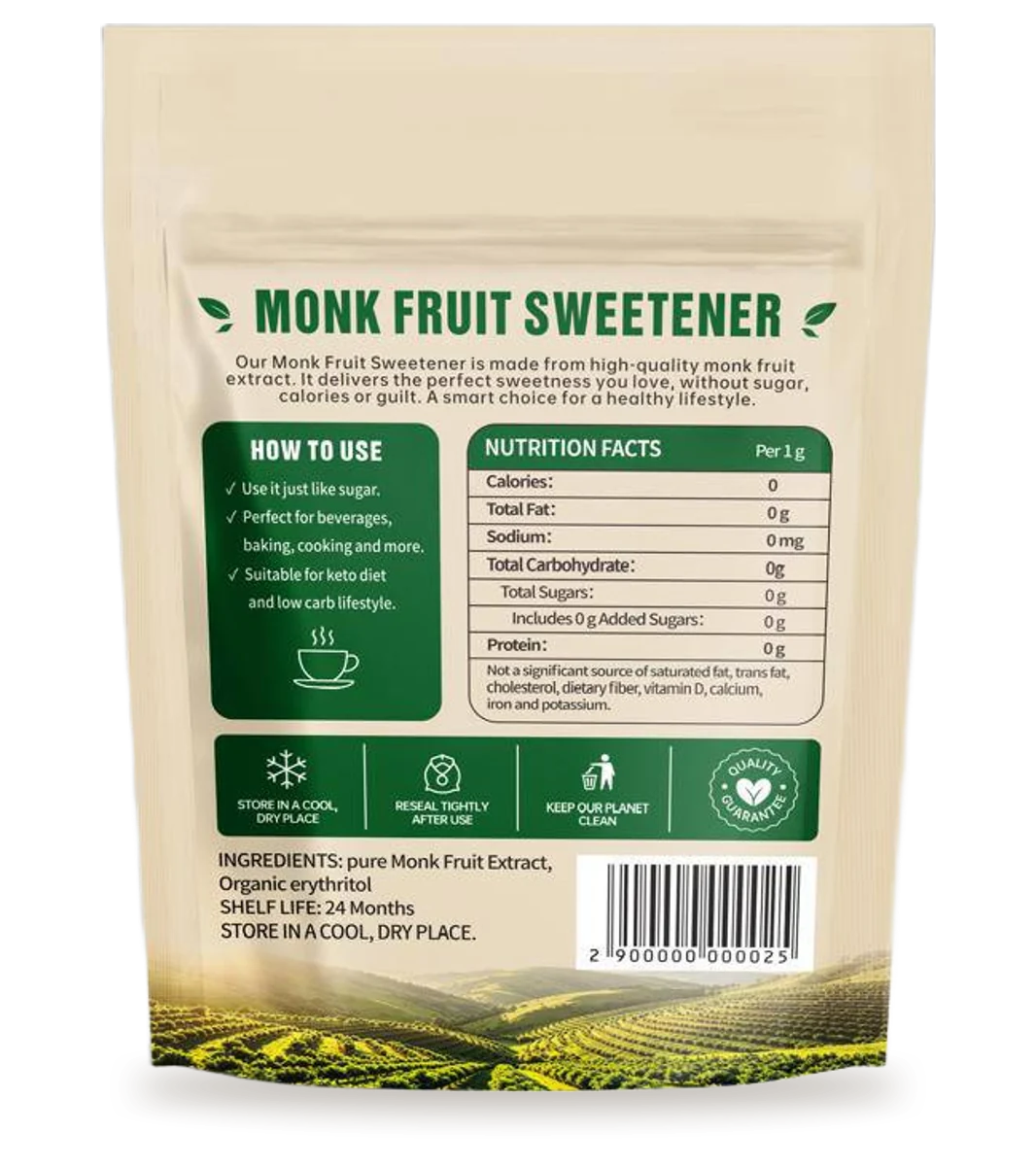
A sugar alcohol found naturally in small amounts in fruits such as grapes, pears and watermelon, and made today by fermentation. It is about 70% as sweet as sugar and adds almost no calories. Most of it leaves the body unchanged in urine, and large amounts can have a laxative effect.
Just like sugar: in coffee, tea, warm drinks, baking and cooking. Keep the pouch closed in a cool, dry place.
01Use it just like sugar, as the pack advises, then adjust the amount to your taste.
Stir it into hot coffee, tea or warm milk. For cold drinks, dissolve it first in a little warm water.
Use it in baking and cooking too, as the pack suggests.
In 30 healthy men, a monk fruit-sweetened drink avoided the sharp first-hour rise in blood glucose and insulin seen after a drink with 65 g of sugar. Responses after the following lunch were higher, so totals over 3 hours were similar.
Limits: A single-day study in healthy men only.
Read the studyIn 30 healthy young adults, water sweetened with monk fruit extract did not raise blood glucose or insulin over the next hour, while an equally sweet water with 25 g of sugar did.
Limits: Single drinks tracked for one hour in healthy adults; funded by a sweetener company.
Read the studyThe US FDA reports that monk fruit extract gets its sweetness from mogrosides, is 100 to 250 times sweeter than sugar, and that it has not questioned companies' conclusions that the extract is generally recognised as safe (GRAS) for their intended uses. The same page lists erythritol among the sugar alcohols the FDA permits as sugar substitutes, and says a 2023 FDA review found that the observational studies in a paper on erythritol and heart risk did not establish a causal link.
Limits: An agency summary rather than a study; GRAS notices cover specific ingredients and uses, and the FDA says it will keep reviewing new information on erythritol.
Read the studyEurope's food safety agency set an acceptable daily intake of 0.5 g of erythritol per kg of body weight (about 35 g a day for a 70 kg adult), based on its laxative effect in larger amounts. It found that human studies, though limited, consistently showed no short-term effect on blood sugar after meals, and that a causal link between dietary erythritol and heart disease has not been demonstrated.
Limits: An expert review rather than a new study, adopted in 2023; a small 2024 study later reported that a 30 g erythritol drink made platelets react more strongly in lab tests, and EFSA noted that no long-term intervention studies exist.
Read the studyThese sources are about monk fruit extract and erythritol in general, not LARSA's monk fruit sweetener itself, which combines the two.
Skin care
Exfoliating pads for smoother-feeling skin at home, in three types: Original, Sensitive and Peeling.
Oral care
A daily mouthwash that goes beyond fresh breath. Hyaluronic acid helps keep the mouth hydrated, and probiotics support its natural balance.